


Developers must share the compliance burden on social landlords under Awaab’s Law
If developers engage early and consistently, Awaab’s Law can become not only a landlord responsibility, but a sector-wide commitment to building safer social homes, writes Shakespeare Martineau’s Anita Rasaratnam



Anita Rasaratnam
Anita Rasaratnam is a partner in the affordable housing team at Shakespeare Martineau

From October 2026, phase 2 will expand Awaab’s Law to a wider set of serious hazards (picture: Alamy)
Sharelines
If developers engage early and consistently, Awaab’s Law can become a sector-wide commitment to building safer social homes, writes Shakespeare Martineau’s Anita Rasaratnam #UKhousing #HousingFinanceThe introduction of Awaab’s Law at the end of 2025 marked one of the most significant regulatory shifts in social housing for decades.
In October 2026, the scope of the law will expand – however, the increasing compliance burden cannot rest solely on registered providers (RPs). Much of the risk originates earlier in the process, during development and construction.
Since phase 1, the impact has been immediate and clear – RPs have had to build completely new triage, investigation and repair workflows at speed, often requiring recruitment, new systems and extensive retraining.
The regulatory expectation has also shifted from reasonable effort to evidenced compliance within fixed timeframes, with failure exposing landlords to enforcement and reputational risk.
The core focus of phase 1 has ultimately required deeper and more intrusive investigations beyond what many RPs had historically resourced for damp and mould, adding significant pressure to technical and repairs teams.
Read more
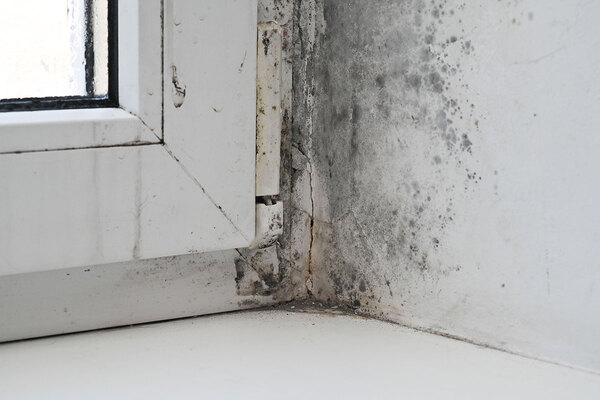


From October 2026, phase 2 will expand Awaab’s Law to a wider set of serious hazards, including excess cold and heat, structural instability and collapse, fire and electrical hazards, falls, and hygiene and food safety risks.
As phase 2 draws closer, a key factor that could determine its success is greater collaboration between landlords and developers.
Phase 2 now exposes landlords to liabilities for issues that may originate at the design stage, which can include inadequate ventilation, thermal efficiency, long-term latent defects that only surface once buildings are occupied, or construction quality failures such as structural instability.
When these hazards emerge after handover, RPs are legally responsible for making them safe within the statutory timeframes, regardless of where the hazard originated.
The compliance responsibility, however, is too much for RPs to carry alone, especially where many underlying structural issues occur during the build process. This makes proactive developer involvement not just desirable, but essential.
Developers need to recognise their own role in engaging with the regulations to keep buildings compliant in the long term and, ultimately, creating better-quality social housing.
Traditionally, developers and RPs have grown accustomed to a siloed approach to working. Over time, it’s become the norm for developers not to concern themselves with considerations beyond the build process, and communication with RPs is largely isolated to the day of handover.
At this point, however, many RPs could find themselves in hot water, becoming liable for structural issues that might have been avoided earlier on.
Recently, one of my clients expected to receive handover of new properties in the West Midlands from a large, well-established and reputable house builder.
Upon a pre-handover inspection, the RP identified damp within the property. This is just one example of lack of collaboration in the social housing build process. With Awaab’s Law continuing to shape the quality of homes available for tenants across the country, it requires urgent attention for the sector to be able to move forward.
To address this, a culture shift across the industry is required, and will rely on mutual participation. Early engagement from both developers and RPs during the build process will allow for enhanced inspections before handover, early detection of defects and quicker resolution.
Working together with developers, RPs can integrate design risk assessments in the early stages to inspect thermal efficiency, electrical fire safety, ventilation and structural integrity, to ensure new builds are not just ‘to standard’ but remain resilient against future failures.
Developers should also familiarise themselves with the guidance available to them to further optimise the build process, such as the changes to the Future Homes and Buildings Standard taking effect in 2027. This outlines higher insulation standards and enhanced thermal bridging.
Greater awareness from developers and RPs alike will contribute to a smoother transition to tighter regulations on excessive cold and heat in buildings.
Developers who fail to engage with regulations during the build process will find themselves facing additional costs, resources and staff time dealing with structural shortcomings that could have been avoided early on.
Beyond practical inconvenience, developers who continue to dismiss their vital role in creating quality, compliant social homes risk heightened commercial exposure and reputational risk within the housing market, just as RPs do.
They also risk jeopardising their relationship with RPs, damaging the possibility of future projects with reputable landlords and, in turn, harming future profits and business longevity.
While it might seem like a simple fix, the social housing sector is in urgent need of greater collaboration between RPs and developers in order to see the value of Awaab’s Law.
Until then, the quietly growing strain on RPs will continue, requiring greater resources, more investment in systems to cope with new workflows, and more staff across operational, complaints and technical repairs teams.
Ahead of phase 2, now is the time for RPs and developers to work together, detaching from the norm of siloed working and recognising their mutual responsibility to remain aware of, and adherent to, regulations.
Greater engagement from developers will be the key to unlocking compliant, higher-quality social homes, not only protecting RPs, but also developers themselves.
If developers engage early and consistently, Awaab’s Law can become not only a landlord responsibility, but a sector-wide commitment to building safer social homes, for the benefit of tenants who will reside in them for years to come.
Anita Rasaratnam, partner in the affordable housing team, Shakespeare Martineau
Are you subscribed to Social Housing?
Social Housing provides you with the latest news and insight across finance and funding, regulation and governance, policy, and strategy. Not subscribed yet?
RELATED






- © Social Housing
- All rights reserved