


For-profits made up 21% of the sector’s growth in 2024-25
For-profits contributed to just over 21 per cent of the sector’s net growth in social housing stock in 2024-25, data from the English regulator has shown.


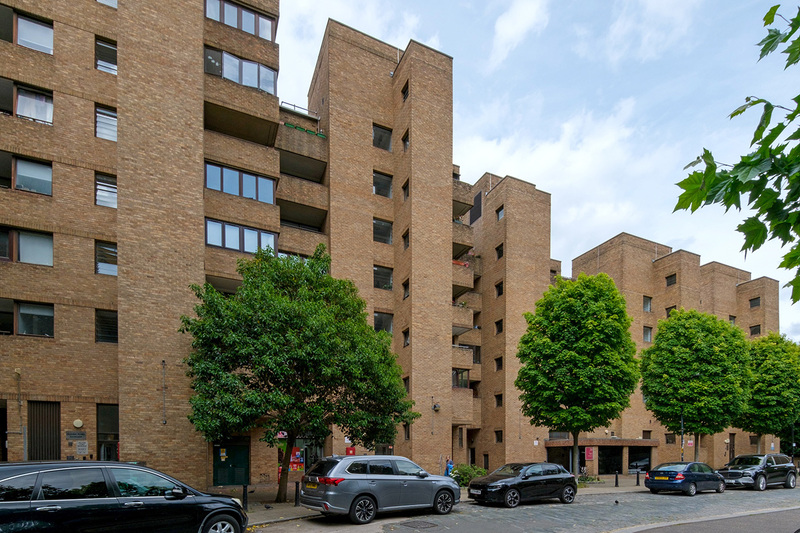
The social housing sector grew by 37,840 homes in 2024-25 (picture: Hiran Perera)
Sharelines
For-profits contributed to just over 21 per cent of the sector’s net growth in social housing stock in 2024-25, data from the English regulator has showed #UKhousing #SocialHousingFinanceThe Regulator of Social Housing’s (RSH) Statistical Data Return showed that the social housing sector grew by 37,840 homes in 2024-25 to reach 4.5 million homes.
Within this, for-profit registered providers (RPs) grew their social housing stock by 7,982 homes from 38,573 to 46,555 homes. This equates to 21.1 per cent of the sector’s overall net growth during the year.
The RSH said that the growth in for-profits’ stock has been driven by a 19 per cent increase in general needs stock and a 22 per cent rise in low-cost homeownership (LCHO) homes.
“For-profit providers only own 1.6 per cent of all social stock, although this is slightly more than in 2024 (1.3 per cent) and 2023 (one per cent),” the regulator said in its data.
Read more



The statistics showed that there were 78 for-profits in total at the end of the year, accounting for 5.8 per cent of all private registered providers (PRPs).
PRPs are all registered providers (housing associations and for-profits) excluding councils. These are referred to in the data as local authority registered providers (LARPs).
The majority (58 per cent) of the social homes owned by for-profit providers are low-cost homeownership (LCHO) and 41 per cent are general needs low-cost rental. General needs includes social rent and affordable rent.
The RSH said: “As in previous years, LCHO continues to be the fastest-growing stock type for the for-profit providers in unit terms, with 4,812 units added since 2024. This growth also accounts for just over a third of the total LCHO growth in the PRP sector between 2024 and 2025.”
The sector’s overall stock has grown by around one per cent in 2024-25, driven by the 28,005-unit increase in affordable rent homes and the 13,942-unit increase in LCHO. There was also a drop of 4,107 social rent units.
Private registered providers vs local authorities
Within the sector’s total stock, PRPs own 3.28 million homes and local authorities own 1.57 million homes.
There were 227 large PRPs (those owning 1,000 or more units of social housing), representing 17 per cent of PRPs in 2025 but owning 96 per cent of all stock.
Large PRPs reported a net gain of 35,784 social housing homes in 2024-25. They built 47,085 social homes during the year, a five per cent drop from the 49,673 homes built in 2023-24.
“There are cycles in the gains of low-cost rental units due to the phasing of funding and delivery priorities under various funding programmes,” the RSH said.
PRPs built, purchased or acquired the majority of new homes in the sector, accounting for 83 per cent of the total increase in affordable rent and 98 per cent for LCHO properties.
Meanwhile, overall, the number of local authority-owned social stock (including LCHO) fell by 2,063 units between 2023-24 and 2024-25. The RSH said this was driven primarily by a fall in the number of general needs and supported housing social rent units.
The data showed that at year-end there were 1,581 providers registered with the RSH, including 1,353 PRPs and 228 local authorities. Of the 228, 12 LARPs owned no social housing, with half of these having registered in the past five years to support their intentions to own homes in future.
Approximately a quarter of local authorities own fewer than 1,000 units, and another quarter own 10,000 or more units each. Meanwhile, just over 83 per cent of PRPs own fewer than 1,000 units, while six per cent own more than 10,000.
Will Perry, director of strategy at the RSH, said: “It is positive to see providers investing in building new homes, as well as understanding their existing homes better.”
Rents
The RSH said rents for all private and local authority RPs increased as expected over the year.
The average increase in general needs average weekly net rents was eight per cent during 2024-25, in line with the permitted rent increase.
The average weekly general needs (social) rent in England was £113.69, although this varied across the country.
The regulator’s data showed that average rents were lowest in the North East (£95.16) and highest in London (£140.70). The average weekly general needs net rent in England is £113.69.
Rents for local authorities are lower on average than for PRPs.
Sign up for Social Housing’s weekly news bulletin
Social Housing’s weekly news bulletin delivers the latest news and insight across finance and funding, regulation and governance, policy, and strategy, straight to your inbox. Meanwhile, news alerts bring you the biggest stories as they land.
Already have an account? Click here to manage your newsletters.






- © Social Housing
- All rights reserved