


Gove vows to amend Social Housing Regulation Bill to tackle damp and mould issues
Housing secretary Michael Gove is aiming to amend the Social Housing Regulation Bill, which could lead to deadlines for social landlords to act on damp and mould issues.


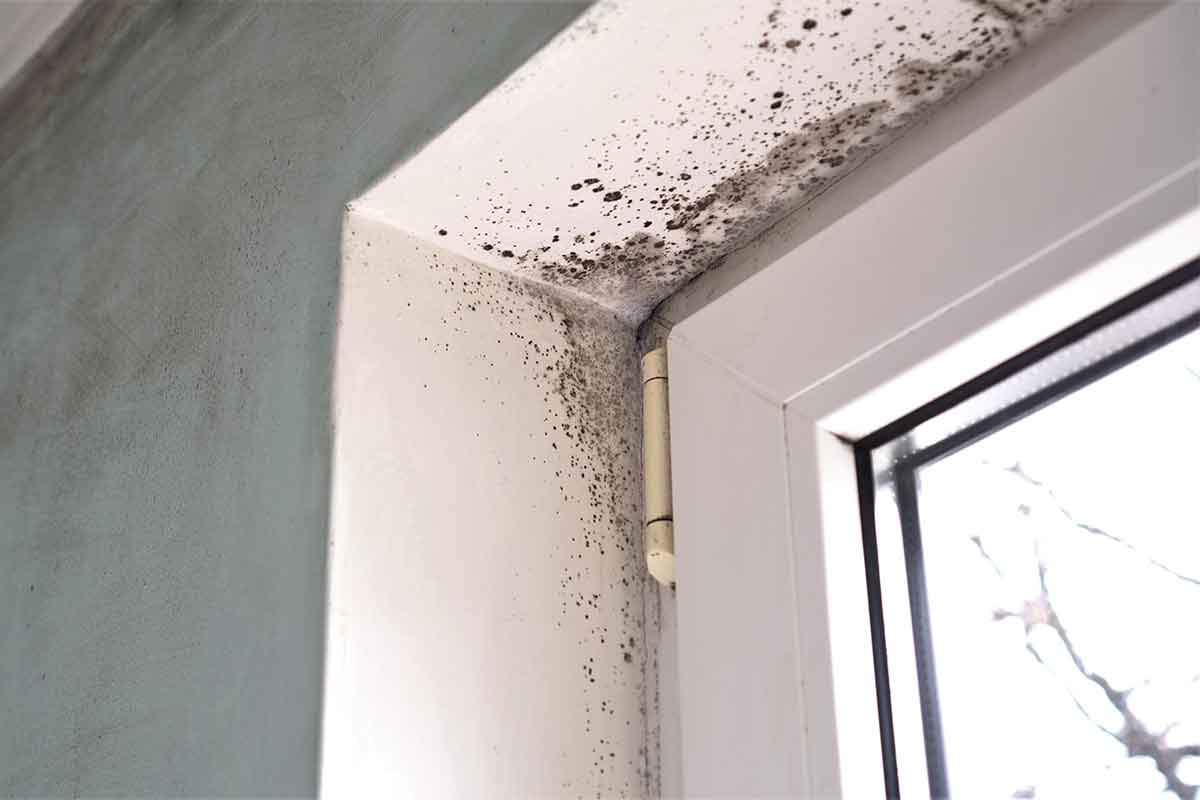
Picture: Getty
Sharelines
Housing secretary Michael Gove is aiming to amend the Social Housing Regulation Bill, which could lead to deadlines for social landlords to act on damp and mould issues #UKhousing #SocialHousingFinanceIn the government’s response to the coroner’s report on the death of Awaab Ishak, Mr Gove said he will publish a policy statement on “approaches to tackling serious hazards (including damp and mould) in the social rented sector”.
In the joint response with health secretary Steve Barclay, Mr Gove added: “The policy statement would specify time limits which landlords must meet regarding investigating hazards and acting where there are health concerns.”
Mr Gove said he will direct the Regulator of Social Housing to implement the approach.
“If this amendment is approved by parliament we will implement any new measures as soon as possible and within six months of royal assent of the bill,” he added.
Read more


The Social Housing Regulation Bill, which already includes new powers for the regulator, is currently passing through parliament.
The plan to amend the bill comes after a campaign by the Manchester Evening News and charity Shelter for ‘Awaab’s Law’ to be introduced to prevent more children dying from damp and mould in social housing.
Two-year-old Awaab died in 2020 due to prolonged exposure to mould in his home, owned by housing association Rochdale Boroughwide Housing, senior coroner Joanne Kearsley concluded last November.
The government’s response to the verdict also said new guidance on the health impacts of damp and mould in homes will be published by the summer.
The Department for Health and Social Care will lead the “rapid review”.
However Mr Gove said he will write to social housing providers and local authorities to highlight the new guidance and make sure it is available for landlords and tenants.
Elsewhere in its response, the government said that a policy among housing associations to delay acting on disrepair claims until an agreement had been reached was a “matter of concern”.
The response said: “While the policies which housing associations set for disputes are not of course controlled by the government, the ‘policy’ highlighted in Awaab Ishak’s case as a matter of concern is wrong.
“In Awaab Ishak’s case, the legal proceedings by Awaab’s family with respect to mould led to the landlord slowing down its response to the disrepair.”
The letter added: “Housing associations should take rapid action to address residents’ concerns.”
It flagged that Mr Gove had written to housing associations in November urging them not to “hide behind legal process” when tenants complain of damp and mould.
At the time, the Regulator of Social Housing also ordered landlords to submit evidence to show they have systems to identify and deal with damp and mould in homes.
In its response the government also highlighted that it is currently reviewing the Decent Homes Standard, but said it was aware it does not “explicitly mention” damp and mould.
RELATED

News02 Feb 2026
Deals round-up: January 2026

News02 Feb 2026
Appointments round-up: January 2026

Insight30 Jan 2026
Market digest: housing association bond yields – January 2026


- © Social Housing
- All rights reserved