


NHF calls for Decent Homes funding to prevent ‘significant trade-offs’
The National Housing Federation (NHF) has called for additional grant funding for Decent Homes Standard (DHS) works to prevent “significant trade-offs” among providers.


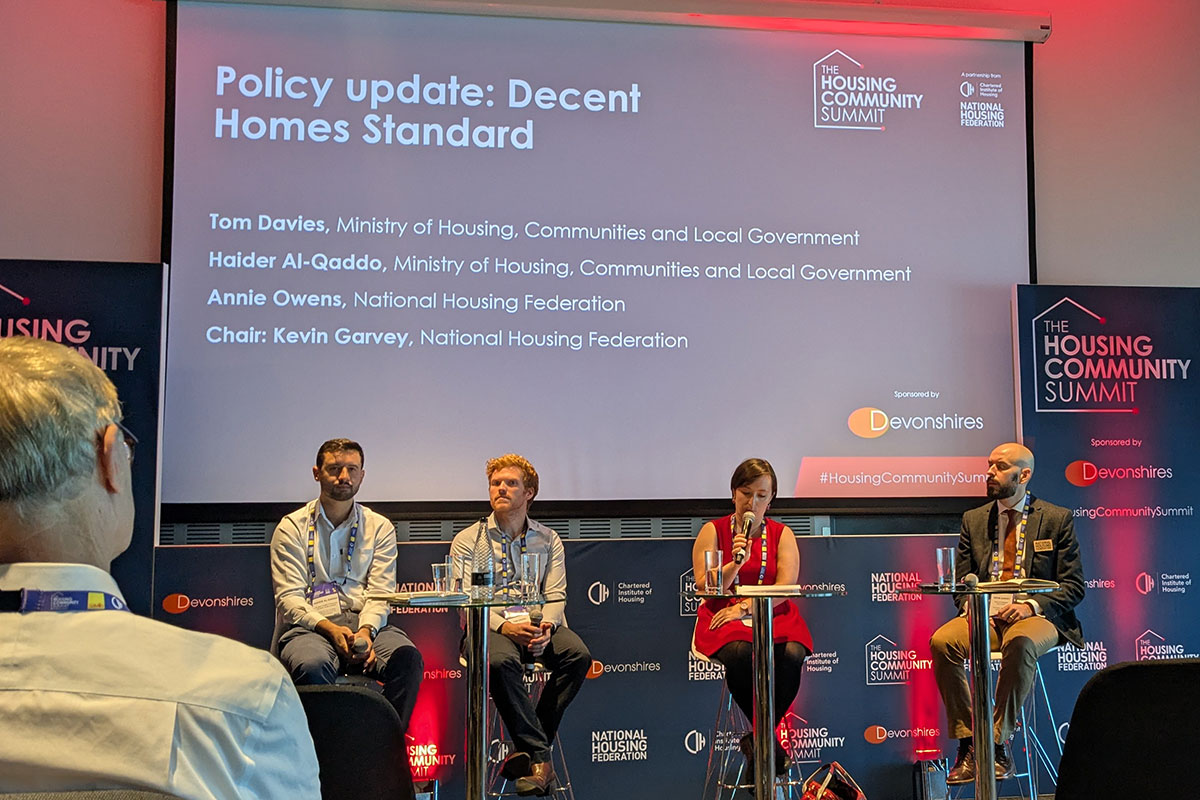
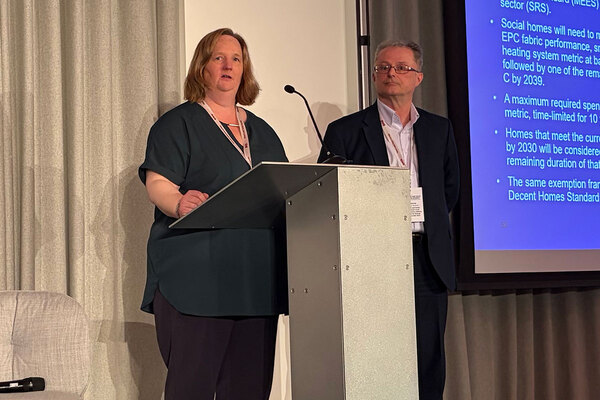
Annie Owens (second from right) of the National Housing Federation made the call during a panel session (picture: Ellie Brown)
Sharelines
NHF calls for Decent Homes funding to prevent ‘significant trade-offs’ #UKhousing #SocialHousingFinanceThe National Housing Federation has called for additional grant funding for Decent Homes Standard works to prevent “significant trade-offs” among providers #UKhousing #SocialHousingFinanceThe trade body also suggested implementing a pilot for one of the standard’s most costly proposals: the provision of floor coverings for new tenancies.
Speaking at the Housing Community Summit, Annie Owens, policy leader for the quality of existing homes at the NHF, said that while she recognises a “positive” Spending Review, the new DHS will have a “significant impact” on housing associations’ business plans and how much they need to spend on their stock.
She said there had already been record investment on repairs and maintenance in the sector over recent years and that over the next five years, housing associations will spend £50bn on their existing homes.
“We do have concerns that the scale of the additional costs for the sector do go beyond what’s been planned at the moment. To not risk significantly limiting the sector’s capacity to build new homes and support the government in its target [of] building 1.5 million new homes over this parliament, we would make the case for additional government funding to make sure that these additional costs can be met in a way that then doesn’t mean significant trade-offs need to be made,” Ms Owens said.
Read more

She said the NHF is supportive of most of the proposed changes in the consultation on the DHS, which runs until 10 September. But added that a balance needs to be struck between making sure homes are kept in safe, good conditions and what is achievable for landlords to do.
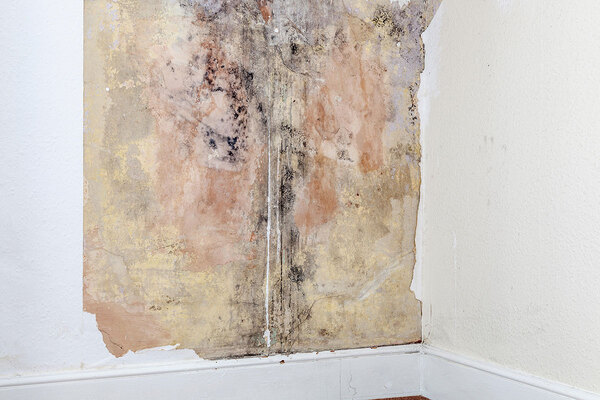
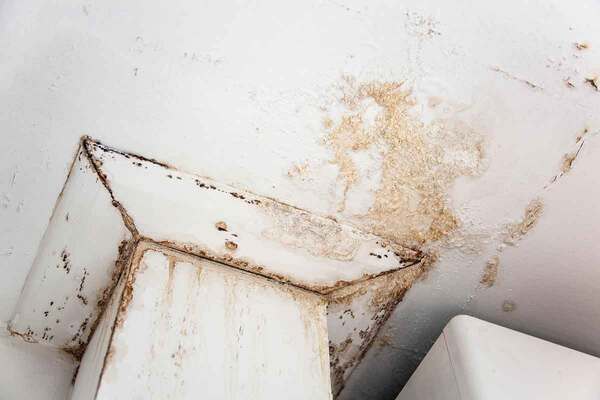
Ms Owens said there are two areas where the NHF has concerns that the proposals would have “such a significant financial cost” or duplicate existing requirements “that we don’t feel able to fully support them”. These include the proposals on criteria for floor coverings and damp and mould.
She said the NHF understands how important it is for residents to have “good-quality” floor coverings in their homes and that this improves the comfort and warmth of homes.
However, she added that she has heard “a lot of significant concerns” about the cost of this as a new requirement for social landlords.
Flooring: £6m per year for one association
These concerns were reflected in other sessions at the conference. The chief executive of one major housing association operating across the South and East of England told delegates that floor coverings alone would add nearly £6m a year to the operating costs of the 85,000-home group.
Mark Washer, chief executive of Sovereign Network Group, said that while the figure might not seem “huge” in isolation, but when added to other requirements, such as the association’s implementation “quite rightly” of Awaab’s law, “there are huge challenges coming down the track”.
Ms Owens said: “We think what’s proposed as an estimated cost by the government is a significant underestimate of how much it would cost in practice and, unfortunately, we just can’t agree with this being introduced as a new requirement without a firm commitment from the government that additional funding would be in place to ensure that this could be delivered without significantly limiting what else landlords can invest in.”
She said the NHF is proposing that the sector works jointly with the government to work out a “more realistic, pragmatic, practical approach to make sure good quality floor coverings are kept in place wherever possible”.
“We’re suggesting a pilot that would work between the government, between social landlords and us as a trade body and other sector bodies to understand what the impact of this could be in the sector, to work out some practical alternatives that would see a greater provision of floor coverings, particularly for residents in most financial need, but balance that with what is achievable financially for social landlords and also allows those residents who can afford to choose their own floor coverings that choice,” she said.
Ms Owens said landlords are taking a “more proactive, preventative approach” to dealing with damp and mould and that a broad range of requirements ensure providers are taking these steps. This includes the Regulator of Social Housing’s Safety and Quality Standard and Awaab’s Law, which will come into effect in October.
She said the government’s proposal for damp and mould as a new standard within the DHS “duplicates what is already in place”.
She said it does not recognise the extent to which landlords have control over fully addressing issues in cases where factors that are not a property issue contribute to damp and mould. This could include overcrowding contributing to condensation build-up.
Ms Owens said: “We think we need to find a balanced approach to understanding the right level, the realistic level, that landlords can intervene in because there are factors outside landlords’ control which can contribute to damp and mould build-up.”
She added: “We want to work with the government to make sure that everything is in place to ensure landlords are taking the realistic and achievable steps that they can take to address damp and mould.”
Ms Owens said the NHF is “supportive” of the 2037 proposed deadline for compliance with the DHS, rather than the other option of 2035, to give the sector “time to prepare”.
Minimum energy efficiency standard
Within the DHS consultation, the government has added the requirement that a home must meet a relevant minimum energy efficiency standard (MEES).
In a separate consultation on these requirements, the government proposed a MEES at Energy Performance Certificate (EPC) Band C or equivalent by 2030, but said it will establish new metrics following reform of EPCs.
Ms Owens said the NHF is “very supportive” of decarbonisation and the sector has “already taken great strides to do this”.
However, she said that given the lack of clarity and certainty over exactly what the new EPC metrics would look like and “how significant a shift they seem to be from current plans”, the NHF would propose an alternative approach.
This would involve a 2030 deadline for homes to be brought up to EPC C under current metrics because this is what the NHF believes is “most in line with what landlords are already doing and planning for”, she said.
Ms Owens said: “We think for the most part, landlords are already factoring this into their plans. This has been trailed for a very long time and is in line with statutory fuel-poverty targets.
“That’s what we think would be the most realistic approach to make sure we continue with this really strong trajectory of improving the energy efficiency of homes, and then we want to work collectively with the government to determine a longer-term strategy and approach to getting towards net zero that could incorporate these broader targets.”
Sign up for Social Housing’s weekly news bulletin
Social Housing’s weekly news bulletin delivers the latest news and insight across finance and funding, regulation and governance, policy, and strategy, straight to your inbox. Meanwhile, news alerts bring you the biggest stories as they land.
Already have an account? Click here to manage your newsletters.





- © Social Housing
- All rights reserved