


NI Executive eyes ‘new funding models’ to tackle affordable housing crisis
The Northern Ireland Executive has said it wants to develop “new funding models” – including working with the private sector – to deliver more affordable homes.


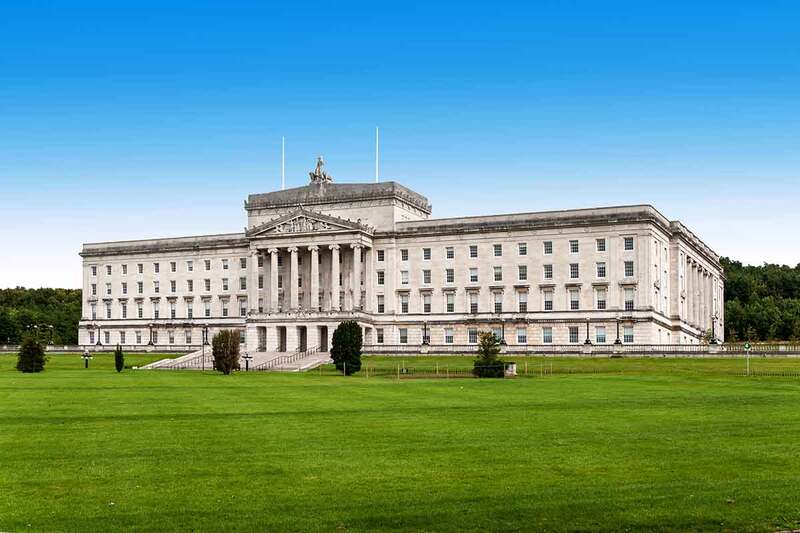
The Stormont building, home to the Northern Ireland assembly (picture: Alamy)
Sharelines
The Northern Ireland Executive has said it wants to develop “new funding models” – including with the private sector – to deliver more affordable homes #UKhousing #SocialHousingFinanceIn its new draft programme for government, published this week, the devolved administration admitted that it had not met its target of delivering 2,500 new social homes a year.
“We therefore want to commit to the long-term public subsidy required to deliver more social homes, while at the same time innovating to develop new funding models for the delivery of more affordable homes to make this achievable,” it said in the 88-page document.
The executive said it wanted to “unlock” government, private and third sector resources to “transform supply and improve quality across the whole housing system”.
Read more

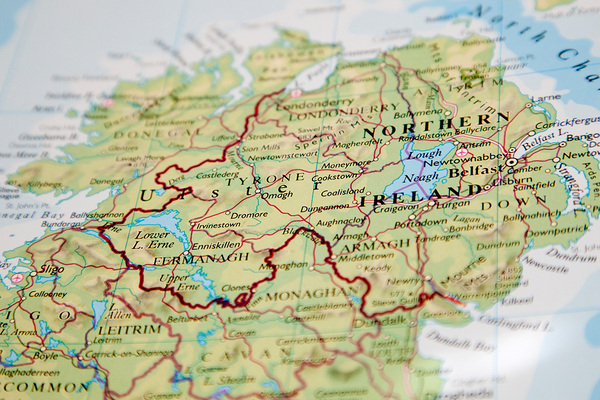
More than 47,000 households in Northern Ireland are currently on social housing waiting lists, the document revealed. Around 35,000 of those are facing “housing stress”.
To directly tackle homelessness, the executive said it will also develop “innovative funding models” with third sector partners to acquire homes.
Boosting the supply of affordable and social homes was one of nine key priorities laid out in the document, which is now the subject of an eight-week public consultation.
A new housing supply strategy has also been proposed, which the executive said will provide a “long-term” policy framework.
In addition, the administration said it wants Treasury approval to allow the Northern Ireland Housing Executive (NIHE) to borrow to increase investment in its current stock, improve energy efficiency and “contribute to new supply”.
The NIHE, a non-departmental public body, is Northern Ireland’s biggest social landlord, managing around 83,000 social homes.
The executive also vowed to tackle Northern Ireland’s planning system through an improvement programme with “government and “other stakeholders”.
The document said: “The goal is to ensure that the planning system works for businesses, people and the environment.”
Help to decarbonise homes with a retrofit programme has also been promised through “sustainable funding and partnership models”.
On shared ownership, the administration said it will continue investing in the tenure, with “low-cost” loans. The aim is to deliver 800 shared ownership homes a year, the executive said.
On the private rented sector, the executive said it will continue its planned reforms and review the Northern Ireland Housing Executive private sector grants. This will also include a review of the Disabled Facilities Grant.
Justin Cartwright, national director of CIH Northern Ireland, welcomed the measures as a “positive starting point” to provide more homes.
“Proposals such as enabling the Housing Executive to borrow, addressing water infrastructure capacity issues, and advancing the Housing Supply Strategy – with ambitious targets for new homes – are essential steps forward,” he said.
“The commitment to reform the private rented sector and retrofit homes for net-zero emissions is also encouraging.”
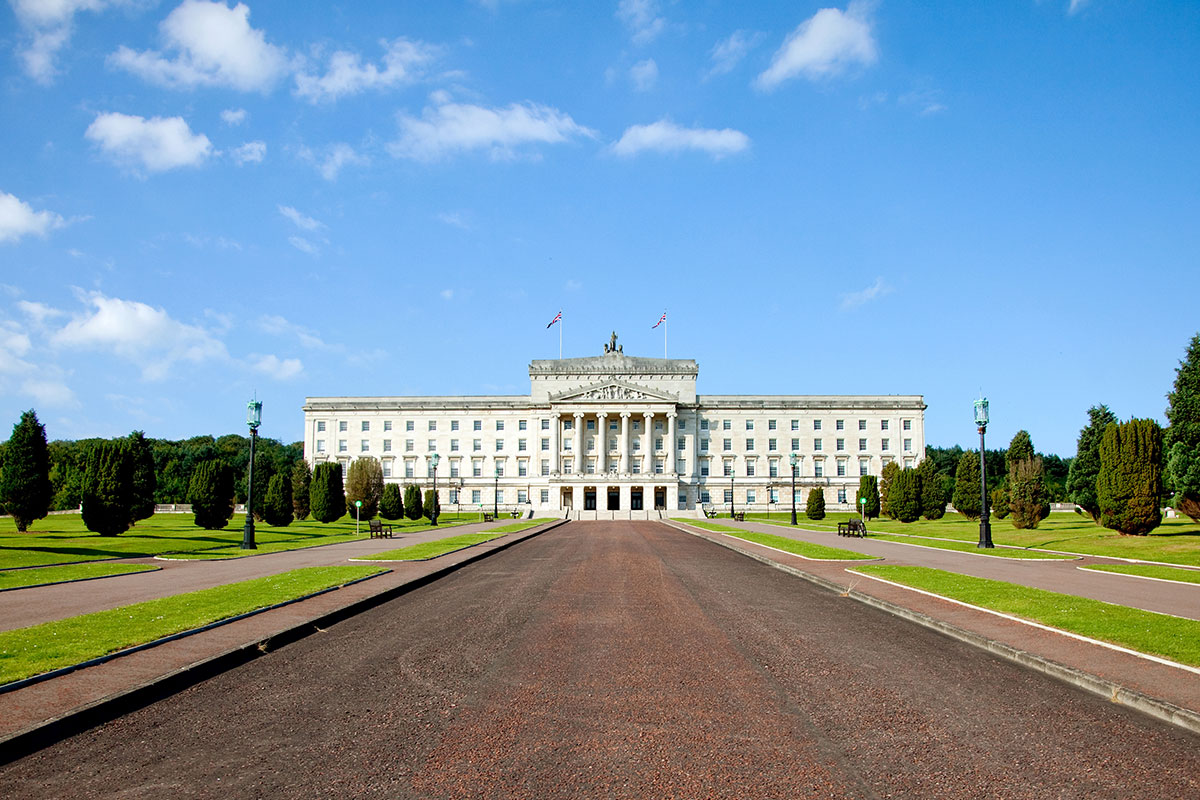
The document, presented in Stormont this week, has been published more than seven months after the return of devolution in Northern Ireland.
Sign up for Social Housing’s weekly news bulletin

Picture: Alamy
Social Housing’s weekly news bulletin delivers the latest news and insight across finance and funding, regulation and governance, policy and strategy, straight to your inbox. Meanwhile, news alerts bring you the biggest stories as they land.
Already have an account? Click here to manage your newsletters.
RELATED

News02 Feb 2026
Deals round-up: January 2026

Insight30 Jan 2026
Market digest: housing association bond yields – January 2026



- © Social Housing
- All rights reserved