


Registered providers’ five-year development forecast falls 6%
Registered providers have forecasted the delivery of around 274,000 new homes over the next five years, a figure six per cent lower than the forecast in the previous year.


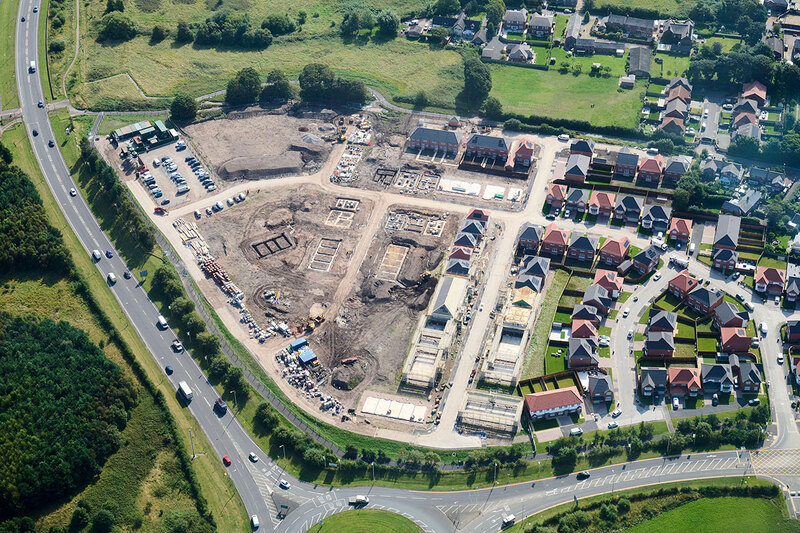
Registered providers have forecasted the delivery of around 274,000 new homes over the next five years (picture: Alamy)
Sharelines
The sector has forecasted the development of around 274,000 new homes over the next five years across all tenures #UKhousing #SocialHousingFinanceIn its latest Sector Risk Profile, published today, the Regulator of Social Housing (RSH) cited figures from the 2024-25 financial forecast returns from the sector.
The regulator said that private registered providers, which include housing associations and for-profits but exclude local authorities, have forecasted the development of around 274,000 new homes over the next five years. The figure covers all tenures, and is six per cent lower than the five-year forecast made in 2023-24.
The RSH said in its Sector Risk Profile: “Social landlords have a crucial role to play in building new homes for the future. The fundamental purpose of a social landlord is to provide homes for those in need.
“There is a renewed imperative by the government to deliver an increased supply of new, high-quality social homes.
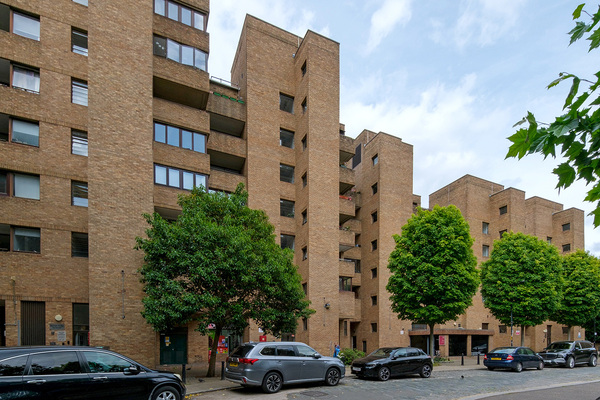
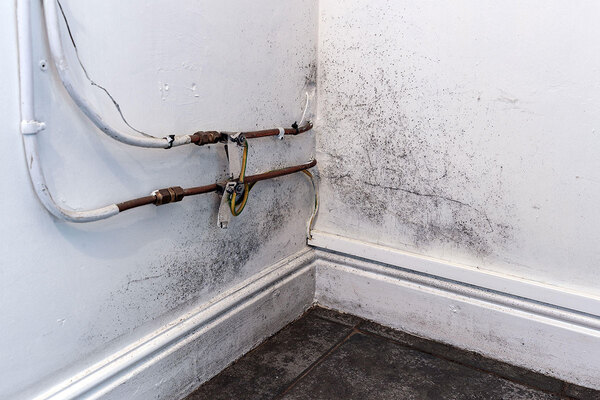
“There are around 1.3 million people on social housing waiting lists which increases pressure on temporary accommodation, with many people living in private rented accommodation that fails to meet the Decent Homes Standard.”
Read more

The RSH added that the expectations on the sector to contribute to new supply are rising, with the 2025 Spending Review announcing a £39bn, 10-year Social and Affordable Homes Programme.
Last month, the Chartered Institute of Housing’s UK Housing Review Autumn Briefing Paper 2025 warned that a reasonable conclusion from all recent forecasts is that the government is likely to fall perhaps 25 per cent short of its 1.5 million homes housebuilding target.
The Sector Risk Profile also showed that the number of new homes forecast to be developed or acquired by for-profit providers has increased slightly this year from 18,000 to 21,000 units over the five-year forecast period.
The RSH said that, as part of strategic planning, landlords should understand the housing market context in their areas of operation, including the need for new homes.
“They should have a rigorous, evidence-based assessment of how they are contributing to new supply in their business plan,” the regulator said.
“Some landlords, particularly those under financial pressure and those with significant need to invest in existing stock, may need to manage their capacity carefully to balance investment priorities. However, other organisations may have greater capacity to invest in new development.”
The RSH said it is important that boards understand how they best use their resources to meet the range of priorities in their strategic decision-making.
The regulator said boards should have a balanced understanding of the benefits and risks associated with new supply, and the potential implications of increasing their development plans both in financial terms and the achievement of the landlord’s social objectives.
“Equally, if it is necessary to scale them back, they should understand the consequences of doing so, both for the organisation’s business plan and the impact on prospective tenants,” the RSH said.
“It is essential that landlords have the skills and internal controls, including a defensible approach to investment appraisal, to match the scale and complexity of their development plans.”
Sales
According to the report, the sector expects to supply 93,000 homes for sale, mainly for shared ownership, over the next five years.
Landlords will need to manage development and sales risks “carefully”, the regulator said.
Several registered providers undertake further market sale activity through entities in which they hold a non-controlling interest, mainly through joint ventures.
An additional 22,000 units are forecast to be developed for market sale in this way, on top of the 93,000 homes developed for sale.
“Boards must ensure they have the required skills, information and advice to appropriately manage development for sale and manage this on an ongoing basis,” the regulator said.
The RSH added that the housing market and construction process both present their own set of risks to manage.
Elsewhere in the report, the regulator warned that the financial performance of the sector has continued to worsen, with EBITDA MRI interest cover not expected to exceed 100 per cent until 2028.
Hear from Fiona MacGregor, chief executive of the Regulator of Social Housing, in a keynote session at the Social Housing Leaders Conference on 26 November in London. Other sessions include ‘Solving London’s housing crisis: Viability, affordability, community’ and ‘New investment models: Risks, rewards and red lines’. For more information and to book your place, click here.
Sign up for Social Housing’s weekly news bulletin

Picture: Alamy
Social Housing’s weekly news bulletin delivers the latest news and insight across finance and funding, regulation and governance, policy and strategy, straight to your inbox. Meanwhile, news alerts bring you the biggest stories as they land.
Already have an account? Click here to manage your newsletters.
RELATED

Insight30 Jan 2026
Market digest: housing association bond yields – January 2026

Insight30 Jan 2026
Special report: growth in shared ownership sales slows to five-year low



- © Social Housing
- All rights reserved