


Sector’s cash balances forecast to fall to £2.7bn over 12 months
The sector’s cash balances are forecast to reduce to £2.7bn over the next 12 months, according to data from the English regulator.



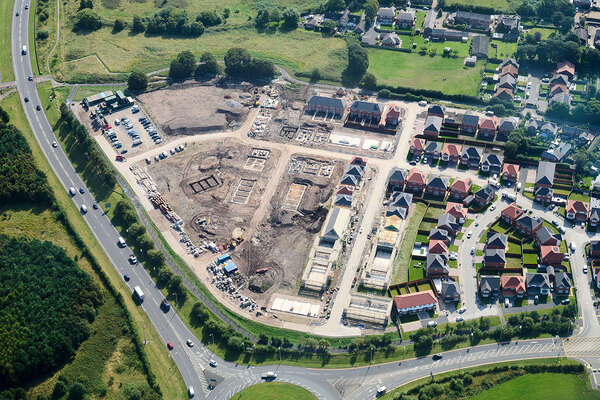
The Quarterly Survey found that available cash is forecast to reduce to £2.7bn by the end of September 2026 (picture: Alamy)
Sharelines
The sector’s cash balances are forecast to reduce to £2.7bn over the next year, according to data from the English regulator #UKhousing #SocialHousingFinanceThe Regulator of Social Housing’s (RSH) Quarterly Survey found that available cash is forecast to reduce to £2.7bn by the end of September 2026. This was a drop from a forecast of £2.9bn in the previous quarter.
More than three-quarters of private registered providers (PRPs) forecast that cash levels would reduce over this period.
Cash balances, excluding amounts held in secured accounts, increased by four per cent from a 12-year low of £3.4bn in the first quarter, to £3.6bn in the second quarter.
Read more


However, the regulator said that cash balances “remain at historically low levels” and have been below £4bn for five of the six quarters since June 2024. Prior to this, cash balances had not been below this level since 2013.
The RSH said that, despite this, total available liquidity (£34.5bn), including cash and undrawn facilities, is “sufficient” to cover forecast expenditure on net interest costs (£4.9bn), loan repayments (£3.3bn) and net development for the next year (£12.2bn).
Will Perry, director of strategy at the RSH, said: “While ongoing spending pressures continue to impact financial performance, the sector remains resilient and liquidity is strong.”
Elsewhere, investment in existing homes continued to rise, with landlords spending £9.3bn on repairs and maintenance over the 12 months to September 2025. This was 10 per cent higher than the £8.4bn invested in the previous year.
Forecast 12-month spend has also increased slightly from £10.3bn to £10.4bn.
The RSH said that higher repairs and maintenance costs have resulted in net operating cash flows alone being “insufficient to fund increasing net interest payments”, with an average cash shortfall of £238m per quarter experienced in the year to September 2025.
The RSH’s data showed that 12-month cash interest cover (excluding sales) fell from 81 to 78 per cent.
Cash interest cover is expected to remain constrained, with annual forecasts estimating a figure of 67 per cent over the next year, the same as the forecast made in June.
This equates to an average cash shortfall of £400m per quarter, with almost 60 per cent of PRPs forecasting interest cover to be below 100 per cent in this period.
“The regulator will continue to monitor the financial viability of PRPs that are forecasting low liquidity levels or restricted interest cover and will engage with PRPs as necessary, especially if there is reliance on fixed asset sales to support operating cash flows or to meet loan covenants,” the RSH said in the report.
“Findings will be reflected in regulatory judgements where appropriate.”
The Quarterly Survey showed that a total of 30 PRPs have reported having one or more loan covenant carve-outs or waivers in place at the end of September.
“The agreements in place at the end of the quarter include carve-outs to exclude energy efficiency works from loan covenant calculations, reported by 15 PRPs, and carve-outs of fire or building safety works, also reported by 15 PRPs,” the regulator said.
“Other agreements allow the exclusion of certain pension or loan breakage costs, or one-off impairment or demolition costs.”
Earlier this month, the RSH warned that the financial performance of the sector continues to worsen, with EBITDA MRI interest cover not expected to exceed 100 per cent until 2028.
Elsewhere in the Quarterly Survey, data showed that finance raised through the capital markets reached its highest level in four years in the second quarter. However, development spend for the quarter dropped to a more than four-year low.
Sign up for Social Housing’s weekly news bulletin

Picture: Alamy
Social Housing’s weekly news bulletin delivers the latest news and insight across finance and funding, regulation and governance, policy and strategy, straight to your inbox. Meanwhile, news alerts bring you the biggest stories as they land.
Already have an account? Click here to manage your newsletters.
RELATED

Insight30 Jan 2026
Market digest: housing association bond yields – January 2026

Insight30 Jan 2026
Special report: growth in shared ownership sales slows to five-year low



- © Social Housing
- All rights reserved