

Temporary accommodation funding gap to rise to nearly £4bn, warns LGA
The cost of temporary accommodation to councils could more than double to nearly £4bn over the next four years without intervention, the Local Government Association (LGA) has warned.


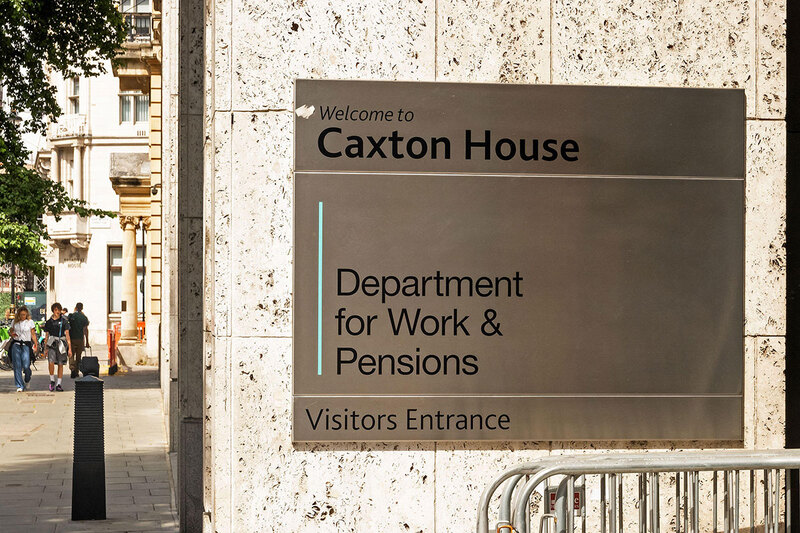
The amount councils can claim back from the Department for Work and Pensions is currently capped to 90 per cent of the Local Housing Allowance rate from 2011 (picture: Alamy)
Sharelines
The cost of temporary accommodation to councils could more than double to nearly £4bn over the next four years, the Local Government Association has warned #UKhousing #HousingFinanceAn analysis by the body has found that the gap between what local authorities spend on housing benefit and how much the Department for Work and Pensions (DWP) reimburses them is projected to rise to £3.9bn between 2017-18 and 2029-30.
Since 2017-18, councils across England have spent almost £1.5bn more on temporary accommodation than they have been reimbursed through subsidies, according to the LGA.
While households receive the full housing benefit they are entitled to, the amount councils can claim back from DWP is currently capped to 90 per cent of the Local Housing Allowance (LHA) rate from 2011.
Read more
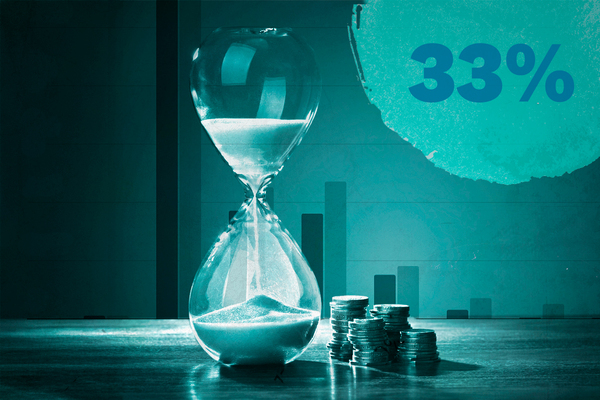
This means councils are unable to claim back costs that reflect what they are spending, the LGA said. The situation is “increasingly getting worse” as the demand for temporary accommodation rises and councils can claim back less, the body added.
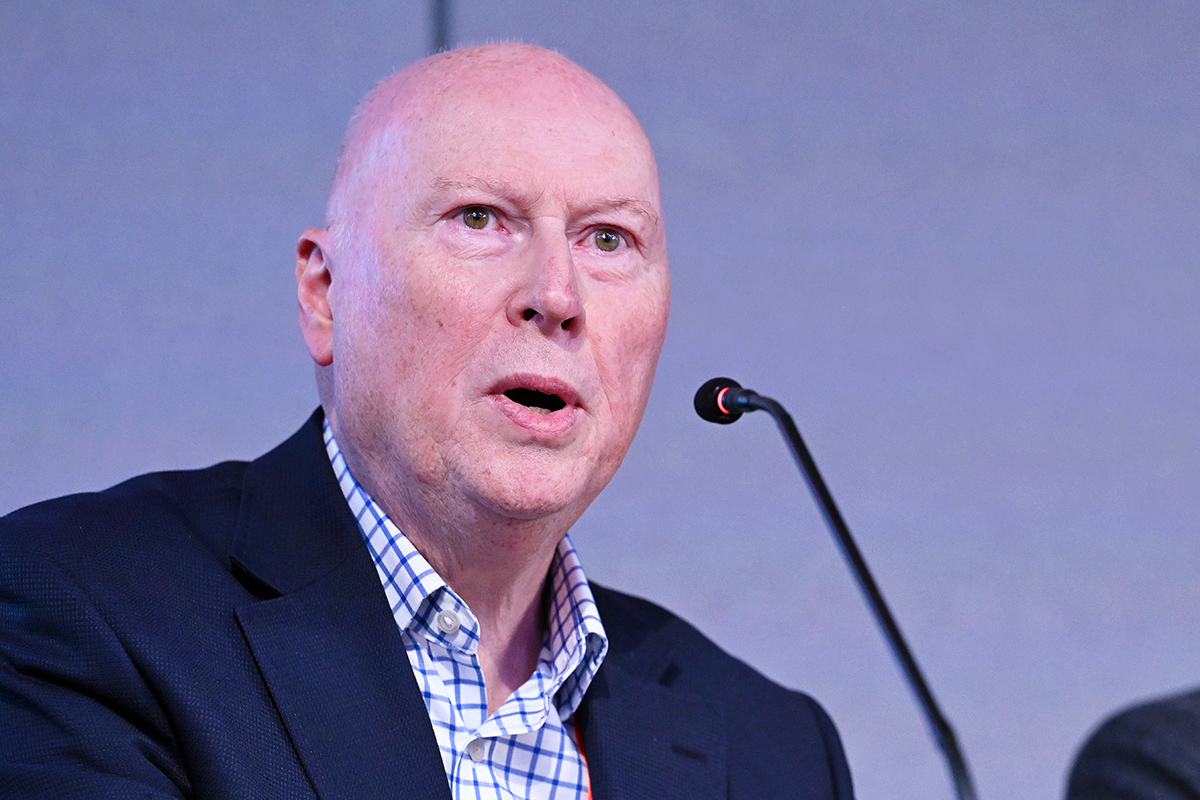
Tom Hunt, chair of the LGA’s inclusive growth committee, called on the government to uprate housing benefits to 90 per cent of the current LHA rate.
“This outlay could yield significant results for the economy and national well-being,” he said.
The LGA also found that the annual subsidy gap was set to grow by 65 per cent in the next five years, from nearly £360m to £595m per year, without “decisive action”.
In 2024-25, the total spend on housing benefit for councils in England on temporary accommodation was £1.27bn, while the DWP only reimbursed £911m to councils, leaving a gap of almost £360m.
If the government granted the LGA’s request of raising the subsidy to 90 per cent of prevailing LHA rates, the total projected cumulative cost by 2029-30 will be 37 per cent less than if nothing is changed. This equates to a saving of £1.5bn to councils.
Mr Hunt added: “The temporary accommodation subsidy gap is a problem that is getting worse each year but is fixable.
“This would have a huge boost to council finances, money which could go towards preventing homelessness and building the homes that our communities desperately need.
“Yet because of this ever-widening issue councils are caught in a vicious cycle of ever-increasing temporary accommodation costs versus static rates they receive back to cover their costs.”
Local Housing Allowance rates were increased to the 30th percentile of local market rents in April 2024.
However, this rate has been frozen since then and will remain at the same level for the 2026-27 financial year.
A government spokesperson said: “We’re tackling the impact of rising rents and the housing shortage with our commitment to build 1.5 million homes – including the biggest boost to social and affordable housing in a generation.
“We are also investing more than £1bn in homelessness services, launching a cross-government homelessness strategy and investing a record £39bn in affordable and social housing.”
Sign up for Social Housing’s weekly news bulletin
Social Housing’s weekly news bulletin delivers the latest news and insight across finance and funding, regulation and governance, policy, and strategy, straight to your inbox. Meanwhile, news alerts bring you the biggest stories as they land.
Already have an account? Click here to manage your newsletters.




- © Social Housing
- All rights reserved