ao link

Registered providers’ spending hits record £14.8bn amid ‘challenging times’, regulator finds

Large registered providers spent a record £14.8bn on development and existing stock in the 2024-25 financial year, the latest data from the regulator has shown.

Linked InXFacebookeCard
Will Perry
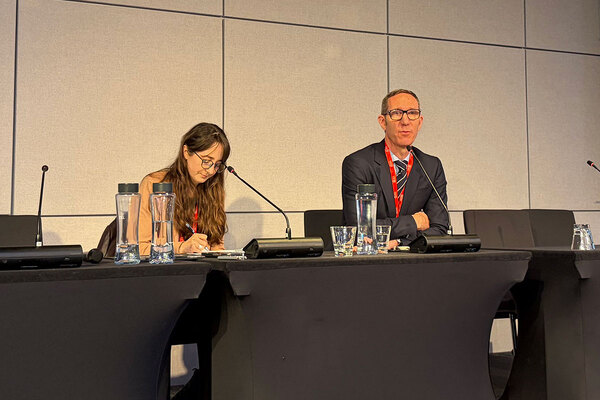
RSH director of strategy Will Perry: “While these are challenging times for some landlords, there is also greater certainty around policy for the sector to actively plan for the longer term”
Sharelines

LinkedIn SHLarge registered providers spent a record £14.8bn on development and existing stock in the 2024-25 financial year, the latest data from the regulator has shown #UKhousing #HousingFinance

According to the Regulator of Social Housing’s (RSH) Value for Money report, the sector invested record levels of capital as “more providers focus on sustainable homes, stock quality and building safety”.


Capital spending on existing homes rose by 15 per cent to £3.8bn in the year, the report said. 


Landlords spent £11bn on developing new homes in the year to the end of March 2025, but this was a four per cent drop year-on-year, as many dialled down their ambitions in the face of mounting costs. 


The study is based on returns from 191 registered providers, each with more than 1,000 homes.


Read more

RSH Global Accounts data confirms EBITDA MRI interest cover below 100% for second year in rowRSH Global Accounts data confirms EBITDA MRI interest cover below 100% for second year in row
Regulator reveals biggest jump in loan drawdowns by RPs in 14 yearsRegulator reveals biggest jump in loan drawdowns by RPs in 14 years
Regulator plans new electrical safety TSM amid consumer changes to boost ‘transparency’Regulator plans new electrical safety TSM amid consumer changes to boost ‘transparency’

The RSH said that while the sector continues to direct “substantial investment” to new homes, there was “a more cautious approach in the year due to economic and policy uncertainty”.  


The sector delivered 53,330 new homes in 2024-25, of which 48,548 were social housing.


Will Perry, director of strategy at the RSH, said: “While these are challenging times for some landlords, there is also greater certainty around policy for the sector to actively plan for the longer term.


“Boards must provide robust challenge where landlords are not making the most effective use of their resources to achieve the strategic objectives of the organisation.


“This requires a clear understanding of what the organisation is intending to achieve, in both serving existing tenants and developing new homes, and how it maximises its efficiency and effectiveness in doing so.”


Headline costs increased at a “slower rate”, but cost management “remains challenging” for some parts of the sector, the RSH said.


The regulator’s report showed that the sector’s headline cost per unit continued to outpace the general rate of inflation, although it increased at a lower rate compared to previous years.


The reported median headline cost increased by 11 per cent to £5,690 per unit, which was largely driven by maintenance and major repair and management costs.

“While there is evidence that providers with the largest proportion of tall buildings saw costs rise more slowly than in past years, these providers still experience much higher maintenance and major repair costs than other providers,” the RSH said. 


“For some parts of the sector, the cost of building safety and other stock condition investment remains challenging.”


The regulator said that “persistent cost pressures continue to dampen the overall operating margin”, which includes social housing activities, as some providers struggle to offset rising costs through net rental income alone.


Despite stabilisation across some parts of the sector, the median operating margin overall was 17.4 per cent, which is below the long-term average of 18.5 per cent, the report found.


“Notwithstanding these tighter margins, the sector’s utilisation of its asset base, measured by the return on capital employed, increased to three per cent – its highest level in over three years as providers continue with their strategic asset management programmes,” the regulator said.


The data also showed that EBITDA MRI interest cover fell to 87 per cent last year, a figure previously reported by Social Housing in coverage of the Global Accounts.


Within this latest report, the RSH said it publishes value for money metrics annually so boards and other stakeholders can assess how each housing association is performing against its peers.


Mr Perry said: “Landlords need to be open about how well they are delivering value for money and show evidence that they are meeting the requirements of the VFM Standard. This includes clear and transparent reporting in their accounts of their performance and setting out improvement plans where they have not delivered as intended.


“We will continue checking that landlords are meeting the standard through our inspections, and if we do not see enough evidence-based assurance, it will be reflected in our regulatory judgements.”

Sign up for Social Housing’s weekly news bulletin

Picture: Alamy
Picture: Alamy


New to Social Housing? Click here to register and receive our weekly news bulletin straight to your inbox


Social Housing’s weekly news bulletin delivers the latest news and insight across finance and funding, regulation and governance, policy and strategy, straight to your inbox. Meanwhile, news alerts bring you the biggest stories as they land. 


Already have an account? Click here to manage your newsletters.

Linked InXFacebookeCard
Add New Comment
You must be logged in to comment.